Danielle de Jonge (PhD student)
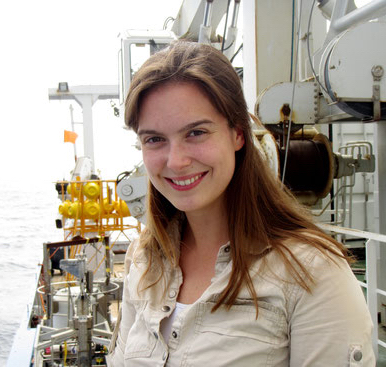 My PhD research is part of the iAtlantic project, and is focused on how abyssal benthic (=seafloor) ecosystem functioning will react to multiple environmental stressors. Climate change and human activities are predicted to alter the biogeochemistry of seawater, for example the temperature, organic matter quality and quantity, pH (acidity) and oxygen concentration. This may impact ecosystem functioning, which can be measured, for example, as carbon cycling rates and bioturbation activity. Firstly, I will study how ecosystem functioning varies naturally across environmental gradients by studying benthic ecosystem functioning at multiple deep Atlantic study sites with different environmental conditions. Secondly, I will experimentally assess the effect of altered seawater biogeochemistry on bathyal sediments with shipboard incubation experiments.
I am a Dutch marine biologist and I love working in open-ocean and deep-sea ecosystems. Before this PhD project I had the privilege to work on hydrothermal vents, elusive deep-sea squid, and deep-sea mining simulations. I have studied at the Scottish Association for Marine Science and the University of Groningen, and undertaken research internships at the Royal Netherlands Institute for Sea Research and GEOMAR Helmholtz-Zentrum für Ozeanforschung, Kiel. I have a background in spatial ecological analyses, mathematical modeling (linear inverse models, food-web stability), metabarcoding, and some imagery analysis and population genetics. Anyone with an interest in, or questions about my research is welcome to get in touch! Email: mail@dswdejonge.com
Rachael Hall (PhD student)
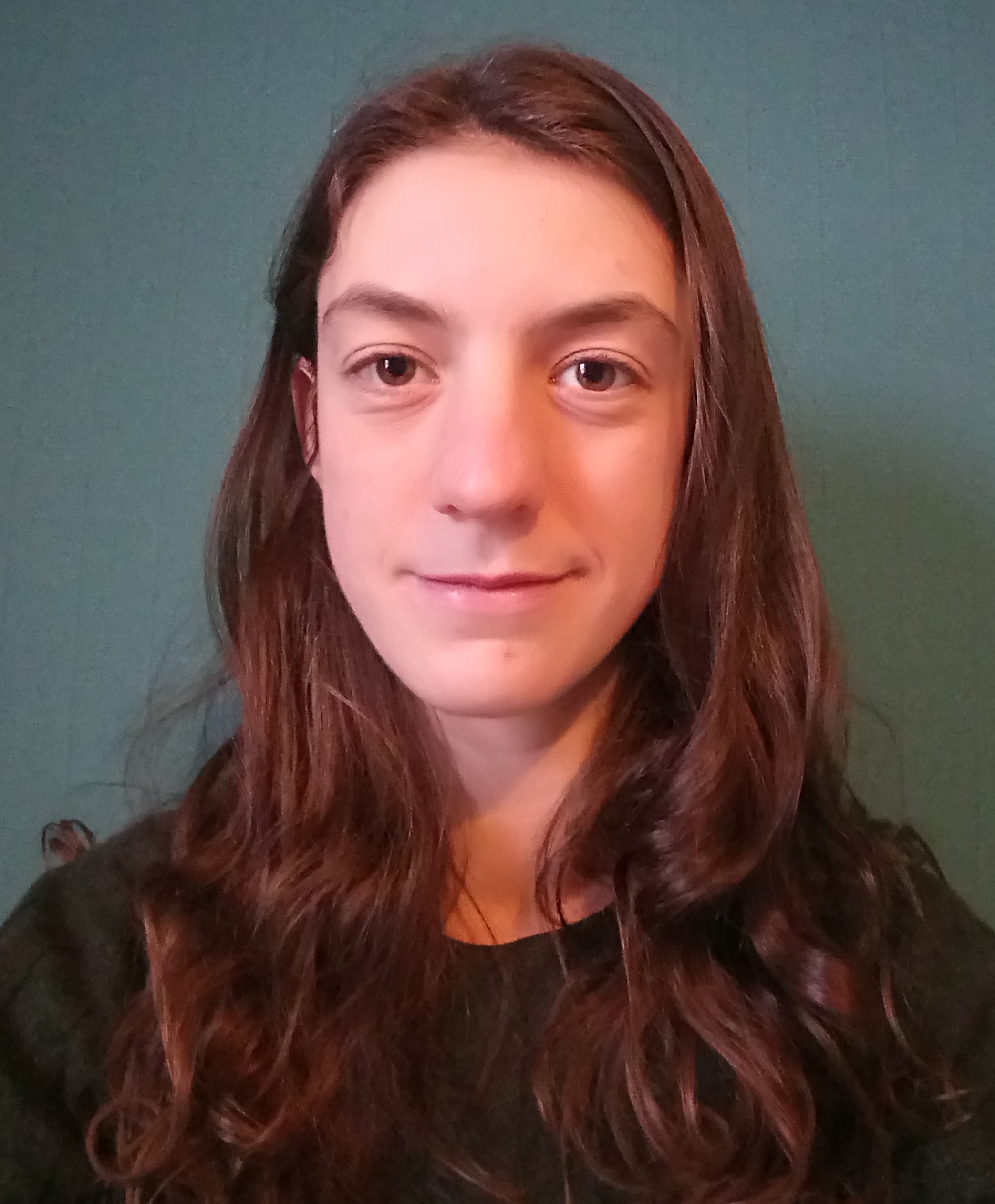 My PhD is funded as part of the One Ocean Hub project, contributing to Research Program 3 which focuses on the sustainable and equitable management of fisheries in an ecosystem context. I will be investigating the impact of mangrove loss on marine biodiversity, ecosystem functions and services in the coastal zone of Ghana. Mangrove forests support numerous ecosystem services, many of which are important to commercial fisheries. To improve the management of Ghanaian fisheries in an ecosystems context it is vital to understand the impact of mangrove deforestation on the provision of key ecosystem services such as C-burial and supporting fish stocks, and consequently people’s livelihoods. I will be quantifying seafloor and pelagic biodiversity, trophic ecology, and biogeochemical cycles with the aim of comparing ecosystem functioning in mangrove forests and deforested habitats along the coastline of Ghana.
I have a keen interest in coastal ecosystem functioning and the influence of anthropogenic activities, sparked by my Undergraduate dissertation research. While studying Environmental Science at the University of Dundee I investigated the impact of coastal development on mangrove forest biomass and extent in Northern Honduras. In 2019, I graduated with a Master’s in Marine Ecosystem Management from the University of St Andrews. I conducted my dissertation research with the Sediment Ecology Research Group at the Scottish Oceans Institute, assessing the success of salt marsh restoration in the Eden Estuary using benthic community analysis techniques to compare ecosystem functioning between restored and unrestored sites. Email: reh2000@hw.ac.uk.
 Benthic Ecology and Biogeochemistry research group